







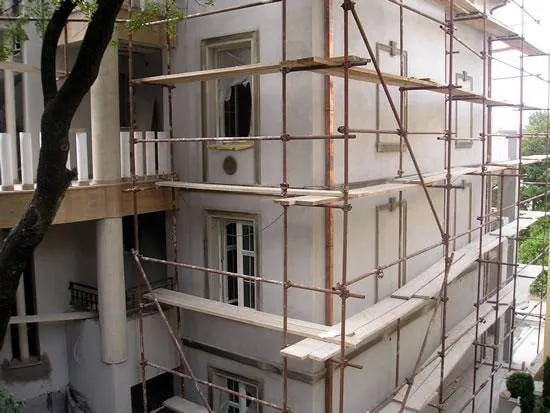
Renovation of the facade is not only a matter of new paint. If the facade has no rhythm, the openings look empty or the house has lost its character through adaptations, decorative elements can make a big difference.
Facade stucco, cornices, frames and corner elements help to organize the facade visually. The most important thing is to make a plan before the final layer of the facade.
Short answer
- The elements should be planned before the final coating, not after the facade is finished.
- Openings and lines are defined first, then details.
- It is better to use fewer elements with good proportions than to overload the facade.
Inspect the facade as a whole
Before choosing a profile, look at the house from a distance. Where is the facade empty, where are the openings too small, and where are there already enough details? This overview is more important than the profile catalog itself.
When renovating, window frames, a simple floor or roof cornice and possibly corner details are often combined. That is enough to get the facade in order.
Match the elements with the insulation
If a new thermal facade is being made, the decorative elements should be part of the same plan. The thickness of the insulation, the final layer and the position of the studs affect how the profile will fit around the window.
That is why it is useful to involve the facade contractor and element manufacturer before the final works. Then improvisations on the building are avoided.
Color and shadow change the impression
The same profile can look completely different in a white, beige or gray shade. The shadow cast by the profile is also part of the design. The deeper the profile, the stronger the impression.
For more modern houses, shallow and clean profiles are often chosen. For classic houses, you can go for more profiled cornices, but to an extent that follows the size of the house.
The facade needs a clear rhythm
Facade decorative elements look best when they emphasize the existing architecture. Frames around windows, cornices, corners and floor divisions create order on the facade and help give the house a finished look.
Too many details can burden the facade, especially on smaller buildings. A better result is often given by a smaller number of carefully selected profiles that follow the openings, the height of the house and the style of the roof.
The shadow is part of the design
The facade profile is not just a line on the wall. Its depth creates a shadow, and this shadow changes the impression during the day. Shallow profiles give a calmer look, while more pronounced cornices and frames create a more classic character.
When renovating the facade, it is good to look at the house from a distance. Then you can see what the facade lacks: an accent around the opening, a finish under the roof, a stronger entrance or a calmer division between floors.
Do you want this effect in your space?
Michelangelo makes custom-made decorative elements for interiors, facades, apartments and business premises. Look at the categories or contact us for a solution that fits your space.
