







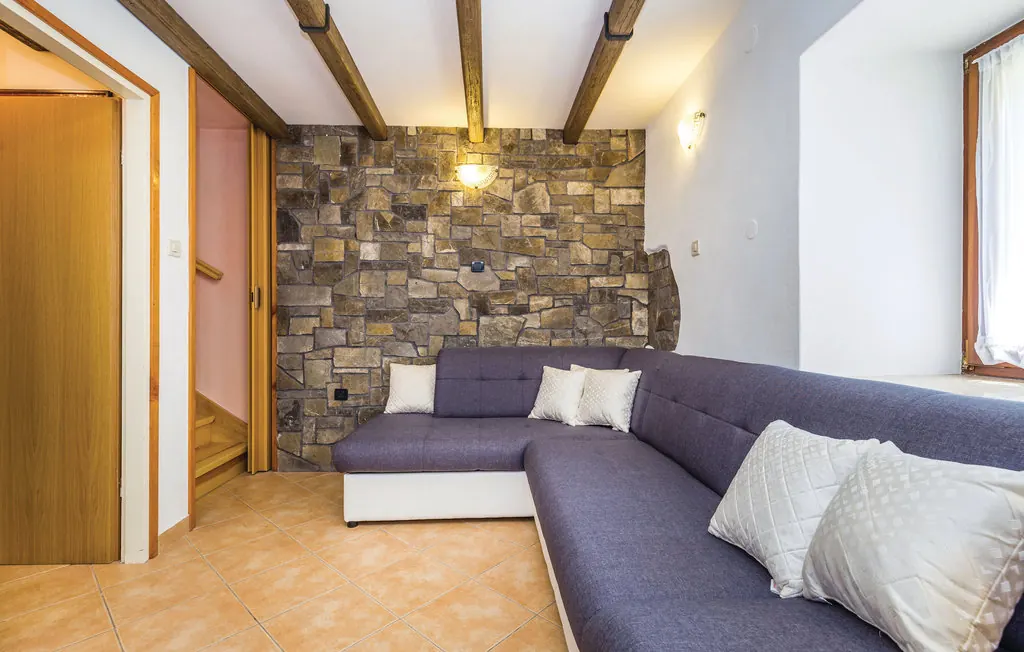
decorative beams in the living room can completely change the impression of the space. They provide heat, break up the empty ceiling surface and can hide installations, connections or lighting. The best result does not come from choosing the most striking beam, but from good measure.
Before ordering, you should know the dimensions of the room, the height of the ceiling, the position of the lighting and the style you want to achieve. Michelangelo beams are made to measure, so the shape, texture and color can be adapted to the space, not the other way around.
Short answer
- Thinner profiles and calmer colors work better for lower ceilings.
- For larger living rooms, several parallel beams or a frame composition can be used.
- If you want to hide cables or LED lighting, this should be planned before construction.
Start from ceiling height
With lower ceilings, the beam must appear light. Too high a profile can visually lower the space and create a heavy impression. In such spaces, it is usually better to choose lighter tones, a moderate texture and a smaller section.
With high ceilings, there is more space for a stronger character. Then decorative beams can emphasize the width of the living room, follow the slope of the roof or frame the seating area.
Match the beams with the floor and furniture
The beams do not have to be the same color as the floor, but they should belong to the same visual world. If the floor is warm and rustic, oak, walnut or darker tones work well. If the interior is modern, calmer textures and cleaner lines often look better.
It is important to look at the whole room: the door, the shelves, the kitchen, the table, the lighting and the stone on the wall. The beam should connect the elements, not compete with everything around it.
Think about the function
A decorative beam can only be a visual element, but it can also have a practical role. It is often used to hide installations, transitions between materials, lighting supports or unevenness in the ceiling.
How to achieve a natural impression
With decorative beams, the most important thing is that they look like part of the architecture, and not as an addition that was subsequently glued to the ceiling. Success can be seen in the proportion: the ratio of beam width, ceiling height, spacing between elements and the color of the rest of the interior.
In larger spaces, the beams can guide the view through the living room, dining room or attic. In smaller spaces, calmer lines, lighter tones and fewer elements work better. A good beam gives the room character, but it should not visually reduce it.
Color, texture and rhythm
Warmer tones go well with stone, ceramics, wooden floors and holiday homes. Calmer surfaces are better suited to modern kitchens, flat fronts and clean walls. Texture should have a reason, especially if there are already pronounced materials in the space.
The rhythm is as important as the beam itself. One dominant beam can frame the seating area, while several parallel beams create an ordered ceiling grid. When the spaces are calm, the whole space seems more expensive and finished.
Do you want this effect in your space?
Michelangelo makes custom-made decorative elements for interiors, facades, apartments and business premises. Look at the categories or contact us for a solution that fits your space.
