







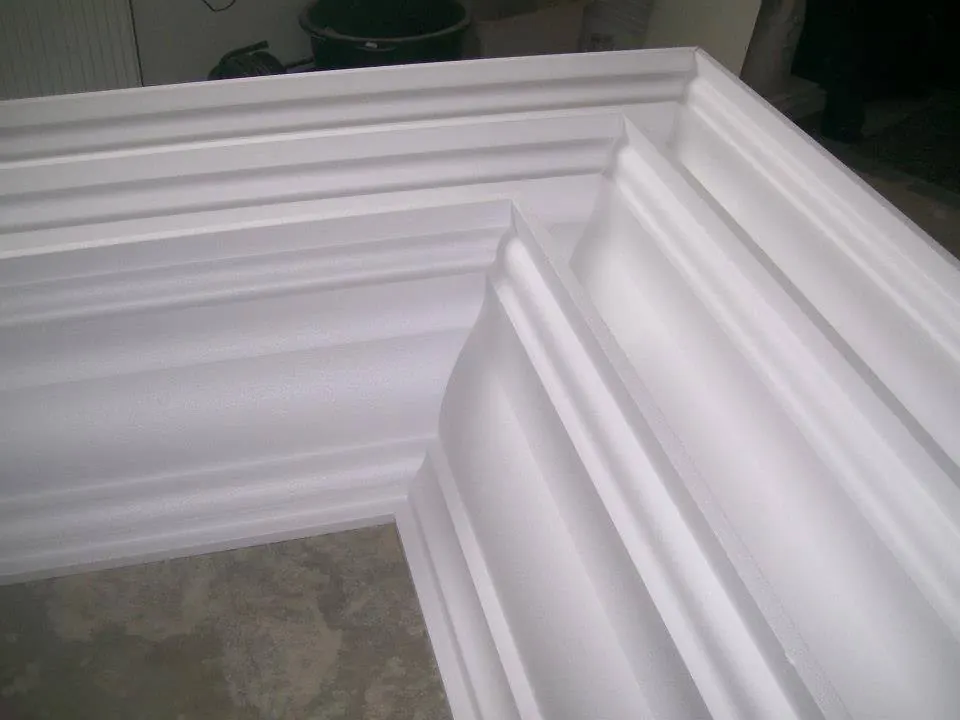
CNC forms and molds are used when a construction or decorative project requires a precise, repeatable and controlled form. These can be profiled cornices, special concrete elements, molds for a series of decorations or elements according to the design.
The advantage of CNC manufacturing is precision and repeatability. Once the shape is well prepared, it is easier to get uniform elements throughout the project.
Short answer
- CNC manufacturing makes sense for repeatable profiles, molds and special shapes.
- It is best to send a blueprint, sketch, dimensions and information about the material being cast or molded.
- For complex elements, time for model preparation should be provided.
When CNC formwork is used
CNC formwork is useful when manual production is not precise enough or when several of the same pieces need to be made. This often happens with building profiles, cornices, edges, moldings and specific architectural details.
If the element is repeated on the object, the precisely made formwork helps the result to be neat from the first to the last piece.
What to send for evaluation
It should also be written which material is used, because the formwork or mold must correspond to the actual use.
The material must follow the purpose
A decorative element is not just a shape. It is important where it is located, how much it is exposed to touch, moisture, sun or daily use. The interior, facade, apartment and catering area require different levels of resistance and finishing.
Well-chosen material facilitates assembly and maintenance. When the decorative element fits into the actual conditions of the room, the result stays tidy for longer.
Assembly details change the final appearance
Edges, joins, finishes and transitions often determine whether an element looks professional. That is why the decorative profile should be viewed as part of the entire surface, and not just as an individual piece.
In the case of more complex shapes, flat joints, a proper base and finishing are particularly important. When these details are in order, the decoration works as part of the project, not as an afterthought.
Do you want this effect in your space?
Michelangelo makes custom-made decorative elements for interiors, facades, apartments and business premises. Look at the categories or contact us for a solution that fits your space.
