






Installations are often the reason why the space does not look finished. Visible cables, transitions, channels and connections can be hidden with decorative elements, but only if this is planned in time.
A decorative beam, stucco or lighting profile can be both a beautiful and functional element. It is important to know what is hidden, how much space is needed and how the installation will be approached later.
Short answer
- First, define what is being hidden: cable, pipe, connection, bracket or lighting.
- Electrical work should always be performed by a professional.
decorative beams as a channel
Beams are often used when there is a need to hide a cable, a connection between ceiling surfaces or preparation for lighting. Since they are made to measure, it is possible to predict the interior space or opening.
With such designs, it is necessary to know in advance where the cable enters, where it exits, and whether the possibility of access should remain.
Profiles for lighting and edges
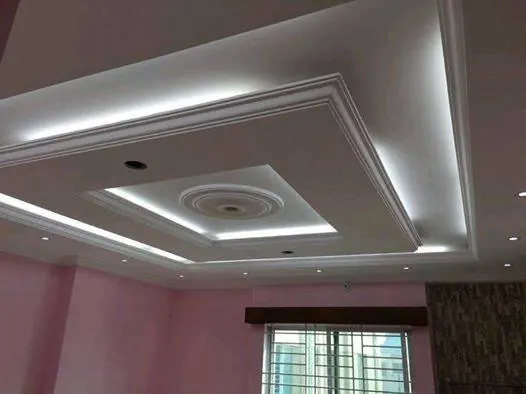
Profiles for indirect LED lighting can hide the LED strip, part of the cable and the transition between the wall and the ceiling. In addition, they provide ambient light and a decorative finish.
For such works, the electrician, profile assembly and finishing should be coordinated. If the order is wrong, the detail can look unfinished.
Do not hide without a service plan
The most common mistake is to completely close an installation that will one day need access. When it comes to LED lighting and power supply, you should especially think about where the driver will be and how it can be accessed.
Decoration should solve a real problem
A good decorative element is not just a decoration. It can calm an empty wall, hide an awkward transition, emphasize a zone or connect materials already in the space.
The best result comes when you first recognize what the space is missing. Only after that it makes sense to choose the shape, profile, color and texture.
Practicality remains important
In a space that is used every day, the decoration must be beautiful, but also practical. It must not interfere with passage, cleaning, lighting, furniture or installation maintenance.
When aesthetics and function coincide, the decorative element looks natural. This is the difference between a detail that quickly gets boring and a detail that keeps the space tidy for a long time.
Do you want this effect in your space?
Michelangelo makes custom-made decorative elements for interiors, facades, apartments and business premises. Look at the categories or contact us for a solution that fits your space.
